
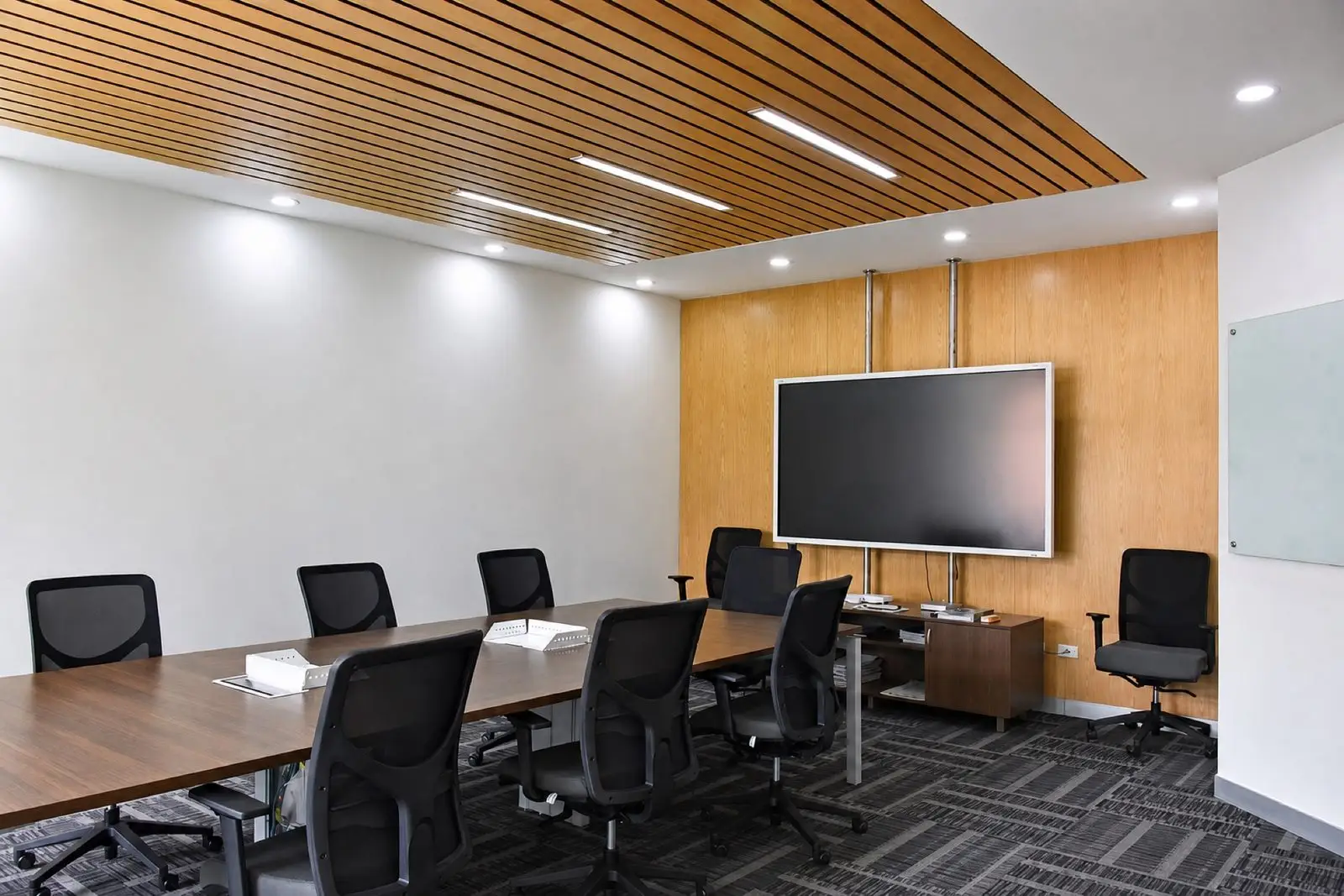
Prefabricated modular construction: delivered in 60–120 days
SmartBrix Construction delivers finished modular projects in 60–120 days, up to 90% faster than traditional construction. Interconnectable and flat-pack modules are factory-built and dry-assembled on site. This is SmartBrix's rapid-deployment line for Colombia, Panama, and the region.
- Finished project delivered in 60–120 days, up to 90% faster than traditional construction.
- Relocatable, reusable modules with MEP systems pre-integrated at the plant.
- Dry assembly: up to 30% less construction waste.
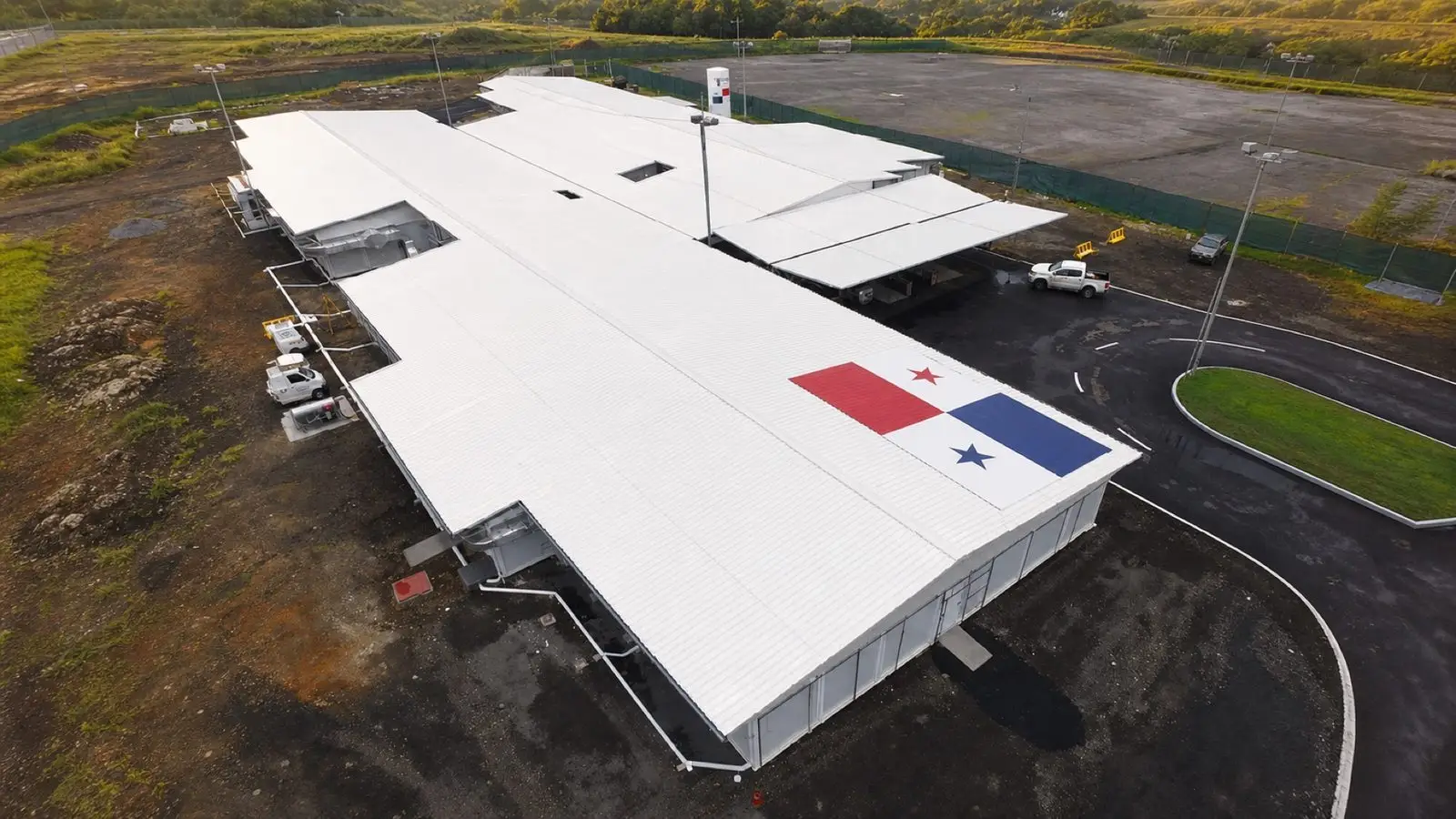
- Construction reference (built by SmartBrix): Hospital Modular, 2,430 m² (about 26,200 sq ft) delivered in 30 days in Panama City.
What is prefabricated modular construction?
Prefabricated modular construction is an industrialized system in which spaces are built at the plant as complete modules (structure, enclosure, finishes, and building systems) and arrive on site ready for dry assembly. Instead of raising the building piece by piece in the field, the work moves to a controlled factory environment. Quality stays consistent, and the schedule does not depend on weather or on-site labor availability.
With this approach, scope is fixed during engineering, fabrication is scheduled at the plant, and civil works advance in parallel. The result is a cost set during engineering and a finished project delivered in 60–120 days, up to 90% faster than traditional construction. SmartBrix applies this model in Colombia, Panama, and across the region.
SmartBrix works with two prefab module formats. Interconnectable modules couple together to form classrooms, laboratories, offices, or health posts (small clinics) of different sizes. Flat-pack modules ship disassembled in flat packs and are sized for shipping containers, for shipping abroad and for reaching remote sites. Both leave the plant with MEP (mechanical, electrical, and plumbing) systems pre-integrated, so on site they only need to be connected.
Because assembly is dry, the site generates up to 30% less construction waste, and the entire building can be dismantled, relocated, and used again. Modular spaces are SmartBrix's secondary line, built for rapid deployment. For larger permanent buildings, the primary line is steel framing. See the delivered projects or download the modular technical brochure (PDF, ES).
Six measurable advantages of the modular system.
Speed, a cost defined up front, and reuse: the reasons industry, government, and education choose prefab modules.
-
01
Finished project in 60–120 days
Modules arrive factory-built, and dry assembly takes weeks on site. The finished project is delivered in 60–120 days.
-
02
Cost set during engineering
Scope is fixed during engineering, and industrialized fabrication helps hold the budget, with fewer surprises than traditional construction.
-
03
Relocatable and demountable
Modules disconnect, ship, and reinstall at the next site. The building moves with the operation.
-
04
MEP pre-integrated at the plant
Mechanical, electrical, and plumbing systems are installed and tested before dispatch. On site, they only need to be connected.
-
05
Reusable: lower total cost of ownership
Each reuse cycle amortizes the investment and lowers total cost of ownership compared with temporary buildings that are demolished after use.
-
06
Sustainable by design
Dry assembly generates up to 30% less construction waste, and module reuse avoids demolition.

Interconnectable modules, factory-built and dry-assembled
Modular spaces by type of operation.
From a single classroom to a full camp: interconnectable and flat-pack modules configured for each use.

Classrooms and laboratories
Schools and universities that grow in phases: classrooms, labs, and restroom blocks ready to operate.

Site and corporate offices
Jobsite offices, sales rooms, and corporate facilities up and running in weeks.

Oil, mining, and military camps
Dormitories, mess halls, and common areas for remote operations, with flat-pack container logistics.

Clinics and health posts
Modular health posts, expandable in phases. Construction reference (built by SmartBrix): Hospital Modular, 2,430 m² in 30 days.

Modular warehouses
Storage and logistics support with modules that expand and relocate as demand shifts.

Event centers
Large-format venues for fairs and events.
Eight steps, from foundations to handover.
How SmartBrix assembles a prefab module project on site, dry and step by step.
-
Step 01Pier footings
-
Step 02Structural assembly
-
Step 03Module setting
-
Step 04Exterior finishes
-
Step 05Interior finishes
-
Step 06Panels and partitions
-
Step 07Electrical systems
-
Step 08Plumbing systems
Prefab modules in the field.
Fabrication, lifting, and assembly of modular spaces from the SmartBrix portfolio.

A reference with area, schedule, and city.
A PEB Corp Group project executed by SmartBrix Construction. A reference project’s area and delivery period describe that case; they do not guarantee another building’s schedule.
At the Hospital Modular in Panama City, SmartBrix built it: 2,430 m² of hospital infrastructure assembled on site and delivered in 30 days. No other project in the documented portfolio was delivered in less time.
Is your project in Colombia?
For a project in Colombia, review SmartBrix construction services in Colombia: support from Bogotá, Bogotá and Barranquilla references, site review and information needed for a quote.
Schedules, relocation, and service life.
How long does a modular construction project take?
Can the modules be moved to another site?
What is the service life of prefab modules?
Modular or steel framing: which one fits my project?
Do the modules work for camps in remote areas?
Related guide: Steel framing vs. modular construction: how to choose →
Request a quote for your modular project.
Tell us your modular project's area, use, and location. Reply within 24 business hours · technical proposal / quote in 48 h.